
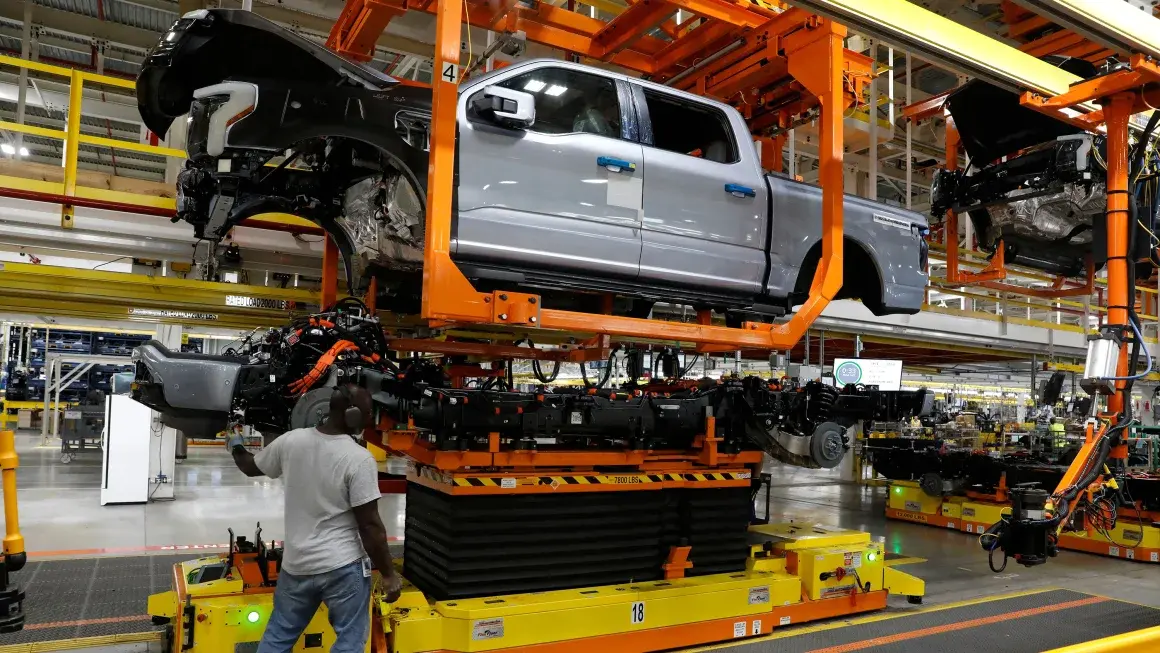
Ford, a symbol of American ingenuity, is making waves in the electric vehicle (EV) industry, but not in the way many expected. With customers more conscious of costs and worried about battery range, Ford is pivoting its strategy to focus on hybrids and affordability. This move is not just a change in direction; it’s a lesson in understanding your audience and adjusting your sails to meet them where they are.

Introduction:
As electric vehicles (EVs) become more prevalent on the roads, fleet managers are facing new challenges, particularly regarding insurance costs. While EVs offer numerous benefits, including lower fuel costs and reduced emissions, they also come with higher insurance premiums. Understanding the reasons behind these increased costs and how to manage them is crucial for fleet managers aiming to optimize their operations.
Introduction:
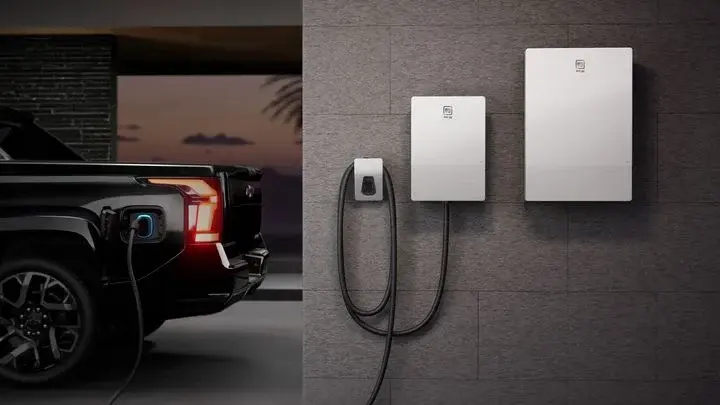
With energy independence and efficiency at the forefront of the automotive industry's innovation, GM Energy is stepping up with a solution to harness the power of electric vehicles. Imagine a seamless flow of energy between your EV and home, offering an extra layer of resilience against power outages while integrating into future clean energy systems. Learn more about GM's vehicle-to-home (V2H) bidirectional charging technology and how it's setting new standards for holistic energy management.

Introduction:
As the automotive industry steers towards 2024, a pivotal shift in the valuation of electric vehicles (EVs) is underway, underscoring the increasing significance of battery health over traditional metrics like age and mileage. This transformation, led by insights from Scott Case of Recurrent, an EV battery research firm, marks a crucial evolution in the used EV market, presenting new opportunities and challenges for businesses and consumers alike. This blog delves into the key trends shaping the EV market, highlighting the role of battery solutions in driving robust growth and the strategic implications for fleet management and automotive sales.
Explanation:
The New Valuation Model: For the first time, EVs are being appraised based on the real-world performance and degradation of their batteries rather than conventional factors. High-mileage EVs with well-maintained batteries are now more appealing in the used market, shifting the focus towards battery health as a critical value determinant. This trend requires fleet managers to recalibrate their vehicle lifecycle strategies, emphasizing battery maintenance and monitoring to optimize resale values and operational efficiencies.
De-fleeting and Market Opportunities: The de-fleeting of early-round EVs introduces a novel dynamic into the used vehicle market. Notably, companies like Hertz are strategically selling off portions of their EV fleets, not as a retreat from electric mobility but as a recalibration of their asset portfolios. This movement is creating unprecedented access to relatively new, affordable EVs for a broader consumer base, potentially accelerating EV adoption and changing public perceptions about electric mobility's affordability and accessibility.
Addressing EV Myths and Learning Curves: The journey towards widespread EV adoption is intertwined with overcoming myths and educational barriers. Instances of EVs facing challenges in extreme cold conditions have underscored the need for consumer education on proper EV maintenance and charging practices. As EV ownership enters its formative phase, manufacturers, dealerships, and industry stakeholders must bridge the knowledge gap, ensuring that drivers are well-informed and prepared for the nuances of electric mobility.
Conclusion:
The automotive industry's trajectory in 2024 is increasingly influenced by the innovative valuation of EVs, focusing on battery health and the strategic de-fleeting of electric fleets. These developments present a unique set of opportunities and challenges for fleet management, remarketing strategies, and consumer adoption. Embracing battery technology advancements and fostering consumer education will be pivotal in harnessing the full potential of the evolving EV market.
Call to Action:
Optimize Your Fleet with Alliance Leasing's EV Expertise In response to the dynamic changes within the EV market, partnering with a knowledgeable fleet management provider like Alliance Leasing can significantly enhance your fleet's efficiency and value retention. Our team is at the forefront of EV market trends and battery management strategies, ready to guide your business through the intricacies of electric fleet optimization. Contact Alliance Leasing today to explore how our expertise can empower your transition to a sustainable, high-performing EV fleet. Embrace the electric revolution with a partner that's as invested in your success as you are.
Despite the attention given toelectric vehicles, hybrid vehicles are more popular among consumer shoppers concerned about the environment. Read on to learn more about the electrified vehicle market and how it may impact your transition to electric fleet vehicles.
Read More
- About a quarter of all new-vehicle shoppers (for use by consumers, not businesses) considered an electrified vehicle in the first quarter of 2023.
- Of the Top 10 most-shopped electrified vehicles, 8 were hybrids and half of the hybrids were Toyota models.
- The Toyota RAV4 Hybrid was the most-shopped electrified vehicle, followed by the Honda CR-V Hybrid and the Ford Maverick Hybrid.
- Only two full EVs were on the Top 10 most-shopped list: the Tesla Model Y and the Chevrolet Bolt.
- The Tesla Model 3 fell off the Top 10 list, but Tesla still had a record quarter for sales.
As a business owner, you want to be aware of the following especially: